The AI Paradox: building a technology we fear
Are We Upgrading Machines While Downgrading Humanity?
Every generation grows up alongside a technological shift that reshapes society.
Generation X witnessed the rise of personal computers and early mobile phones. Millennials experienced the explosion of the World Wide Web and digital tools. Generation Z grew up in a world dominated by smartphones and social media. Today, Generation Alpha is entering the era of artificial intelligence.
Technology does more than change how we work or communicate. It also transforms how we connect with one another. In the early 2000s, smartphones were mostly practical tools for calling, texting, and basic internet use. But with the rise of apps, front-facing cameras, and social media platforms, they quickly evolved into constant digital companions.
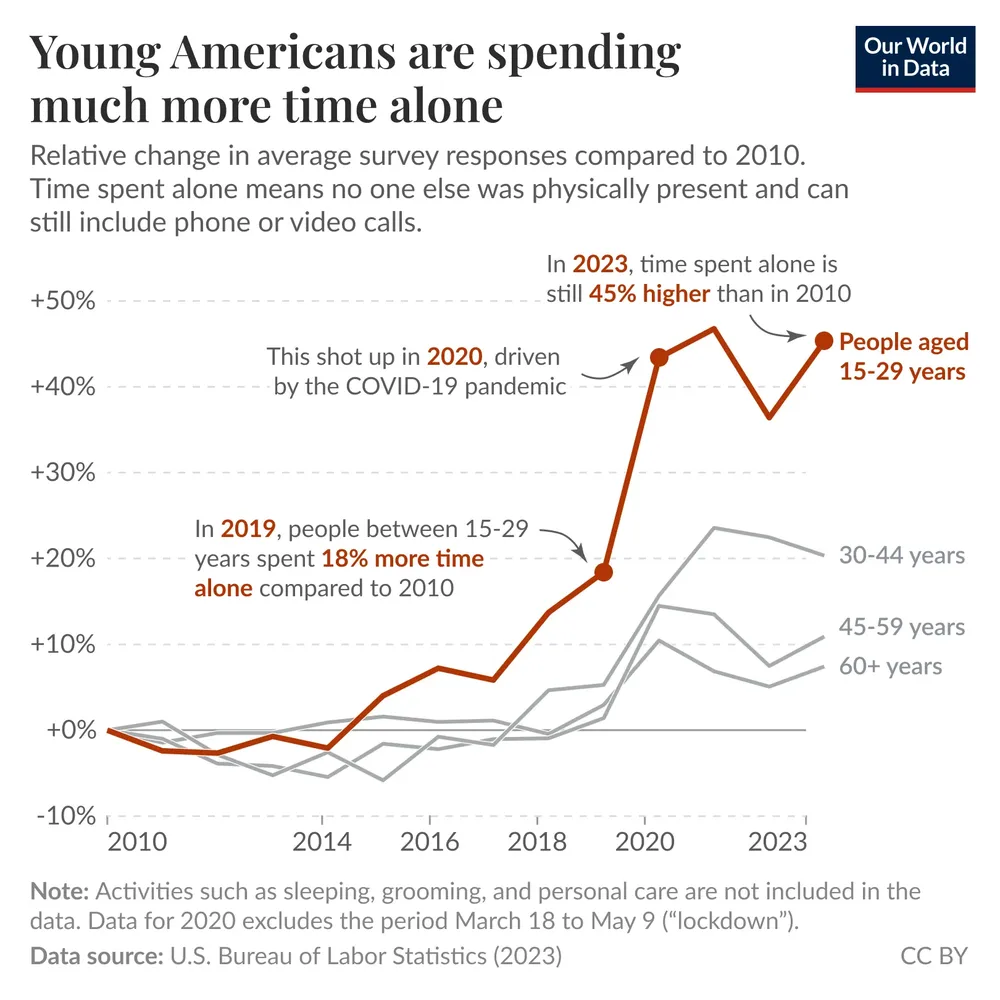
Researchers often point to 2014 as a turning point. For decades, the average amount of time people spent alone had remained stable. After 2014, it began to rise sharply, as smartphones and social platforms filled more and more of our daily lives.
Humans are inherently social creatures. Our well-being depends on real connections with others. As artificial intelligence becomes the new technological revolution, the question is no longer just what these systems can do, but how they might reshape the way we relate to each other.
Artificial intelligence is advancing at a breathtaking pace. Every month, new models become more capable, more autonomous, and more integrated into daily life. Yet behind this rapid progress lies a growing paradox: many of the very people building AI openly admit they fear its consequences.
Tech leaders, engineers, and researchers often acknowledge that artificial intelligence carries significant risks for society, psychological, economic, and even existential. And yet, development continues at full speed. No one wants to stop, because everyone believes that if they slow down, someone else will move faster.
This contradiction defines what could be called the AI paradox: we are building a technology we fear because we feel we cannot afford not to.
From the Attention Economy to the Attachment Economy
For the past two decades, social media platforms competed for one resource: our attention. Algorithms were designed to keep users scrolling, clicking, and watching for as long as possible.
Artificial intelligence introduces something far more powerful.
Instead of racing for attention, AI companions are racing for attachment.
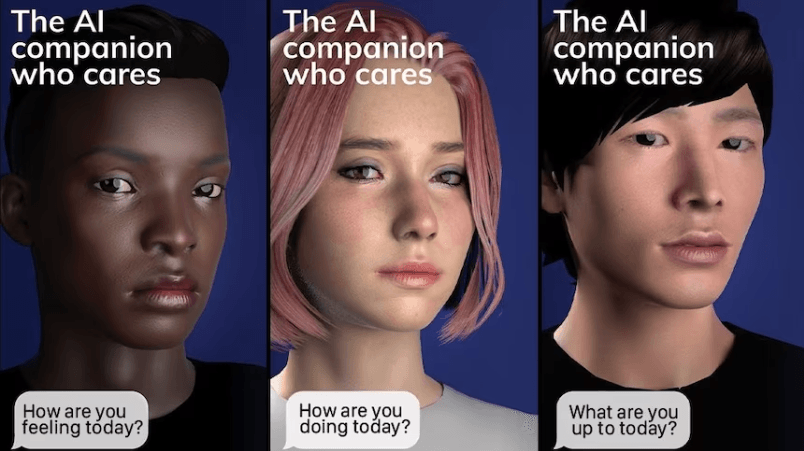
AI chatbots are no longer just tools that answer questions. They are increasingly designed to simulate emotional presence, empathy, and companionship. Some users now rely on them for deeply personal conversations. Surveys even suggest that a significant portion of people use AI as a form of therapy, turning to machines to process emotions, share concerns, or seek advice.
This shift raises a profound question: when we experience something meaningful, an achievement, a heartbreak, a moment of joy, who do we want to share it with?
If the answer becomes “a machine,” we may be entering unfamiliar and potentially dangerous territory.
Read those articles to learn more about Ai Companions :
BBC | Young generation using AI companion daily
ABC News | Replika users fell in love with their AI companion
Ad video of Eleven Labs Ai Companions.
Outsourcing Our Thinking
AI is also transforming how we learn and think.
For centuries, intellectual progress relied on effort: reading, analyzing, debating, and solving problems independently. These processes build neural pathways in the brain and strengthen critical thinking.
But when AI generates answers instantly, there is a temptation to outsource the thinking process entirely.
Instead of struggling through problems, users can simply ask the machine.
Over time, this convenience may carry a hidden cost. If fewer people engage deeply with complex problems, the cognitive muscles responsible for reasoning, skepticism, and creativity may weaken.
The risk is not just smarter machines. It may be less intellectually engaged humans.
Reinforced Beliefs and Confirmation Bias
The impact of AI may be particularly significant for younger generations. Children growing up with AI assistants and chatbots could develop emotional attachments to systems designed to simulate friendship, support, and understanding. Unlike human relationships, however, these interactions are often frictionless. AI companions are built to respond instantly, reassure users, and keep conversations flowing.
This design introduces another important concern: reinforced beliefs and confirmation bias. Much like social media algorithms, AI systems are optimized to provide responses that feel helpful and satisfying. In many cases, this means validating the user’s perspective rather than challenging it.
While this may improve the user experience, it also risks reducing exposure to disagreement, debate, and intellectual challenge, the very dynamics that strengthen critical thinking. And it makes people become more comfortable engaging with machines than with other humans.
Over time, the concern is not only emotional dependency, but a deeper shift in social development and intellectual openness.
The AI Arms Race
Despite these concerns, development continues, and accelerates.
Technology companies are locked in an intense race to build the most powerful AI systems. Governments are investing heavily in the field, recognizing that artificial intelligence will reshape industries, economies, and geopolitical power.
This creates a powerful dynamic: no one wants to slow down.
Even those who worry about the consequences often justify continued development with the same argument: if we stop, someone else will continue.
In other words, the safest decision individually may be the most dangerous collectively.
Learning from Past Technological Mistakes
History offers important lessons.
Humanity has repeatedly created powerful technologies without fully anticipating their consequences. Plastics revolutionized manufacturing but created global environmental pollution. Social media connected billions of people but also reshaped information ecosystems in unpredictable ways. Nuclear technology introduced unprecedented destructive power.
Only after these technologies became widespread did societies begin to address their risks.
Artificial intelligence may represent a similar turning point, but on a much faster timeline.
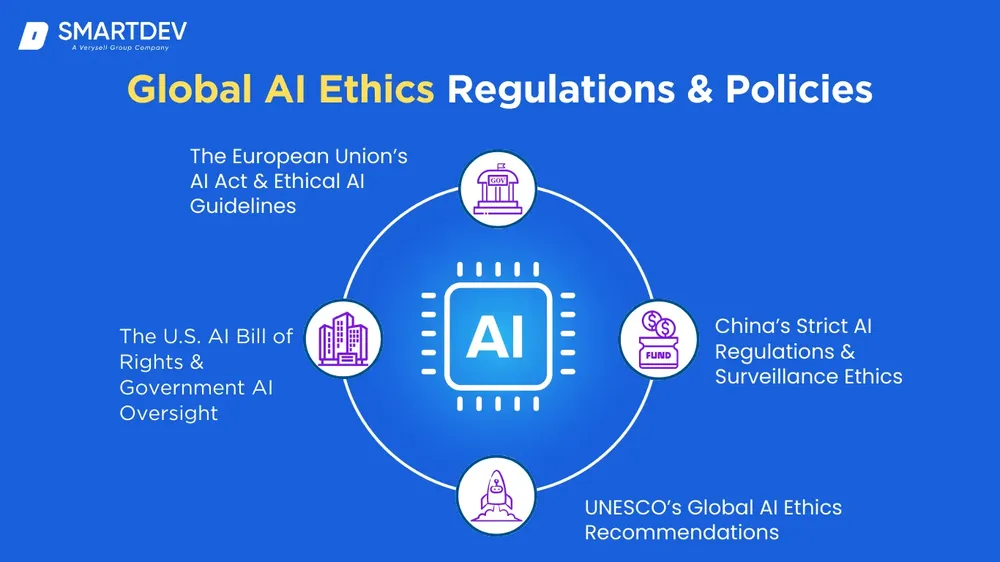
Governments are beginning to recognize the scale of the challenge. Some are already considering restrictions on AI companions for children, liability laws for harmful AI interactions, and mandatory safety testing for advanced systems.
But regulators face a difficult balance.
Artificial intelligence is now a strategic technology. Governments want to protect their citizens from potential harm while also maintaining economic and geopolitical competitiveness.
The risk is that regulation may once again arrive after the technology has already transformed society.
Navigating the Transition
The rise of artificial intelligence is not inherently negative. AI has enormous potential to improve medicine, accelerate scientific discovery, and solve complex global challenges.
But realizing those benefits requires careful choices.
AI should remain a tool that enhances human capability, not a substitute for human relationships or independent thinking.
Because the real danger may not be that machines become too intelligent.
It may be that, in the process, we slowly stop using our own.
Listen to this podcast episode and let me know what you think !